Freegiveness: Free Yourself From the Energy of the Past
A note from Michell:
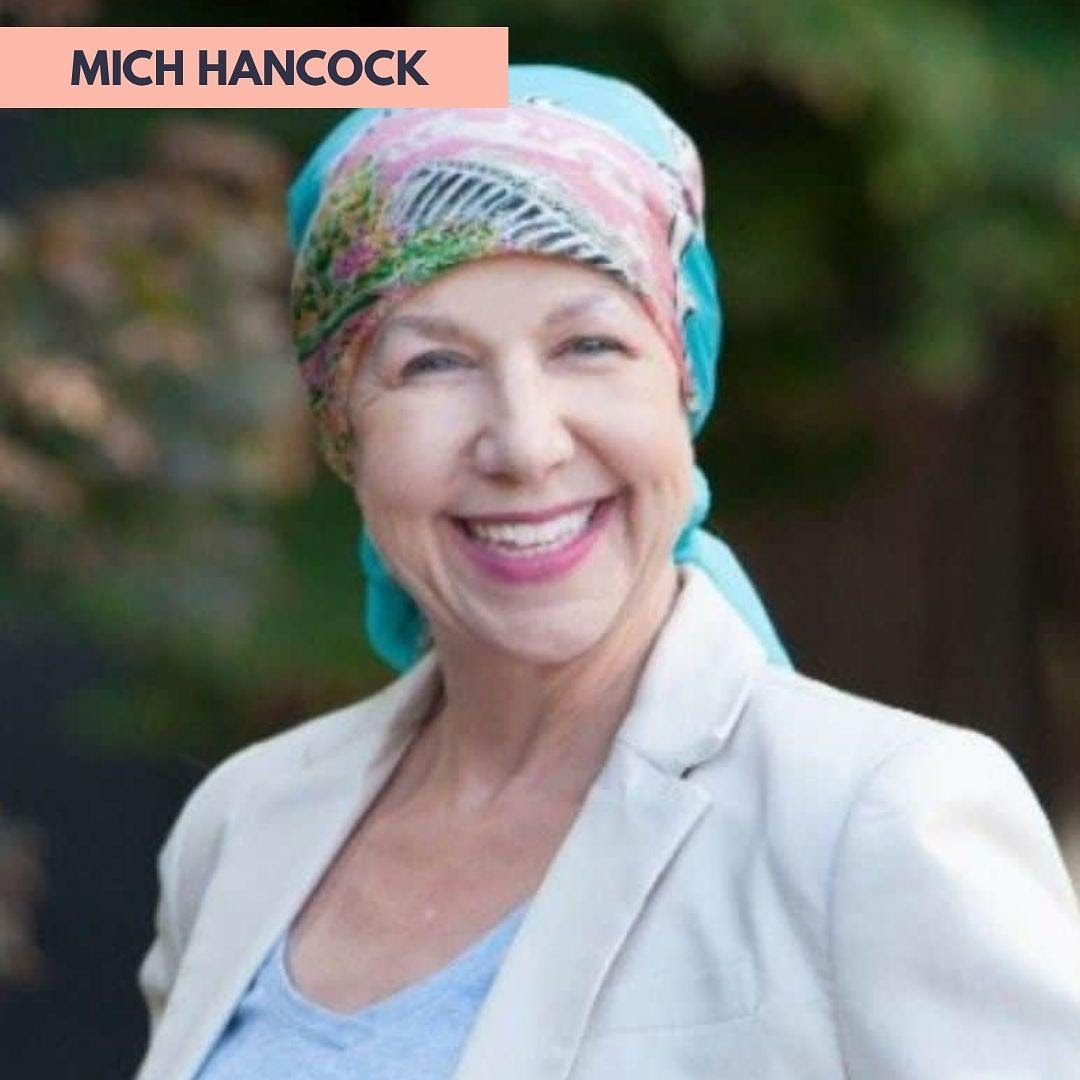
Today’s guest blog comes from my friend and Synergy coach, Mich Hancock, who coaches alongside Josh Leavy.
During one of our coaching sessions, I shared that I was having a hard time letting go of a painful situation involving someone I thought was a friend. I knew I needed to forgive this person, but I was struggling to figure out how to do that while still honoring what I had experienced.
That’s when Mich introduced me to the idea of “freegiveness.” A literal lightbulb went off. It was exactly the concept I needed to begin letting go of what I had been carrying.
If you’re holding on to hurt, anger or disappointment that you know you need to release, I hope Mich’s words are as invaluable to you as they were to me.
And make sure to meet Mich at the TEDxStLouis Women event this October.
Enjoy!
I practice forgiveness quite a bit, but then, in a conversation with Michell Stockmann, we got talking about how the word just doesn’t sit quite right. Not because we don’t believe in forgiveness, but because of what forgiveness has come to feel like in our culture.
Forgiveness can sound like we’re saying, “It’s okay” – excusing someone’s behavior, forgetting what happened, letting someone off the hook, or reopening a door we worked hard to close.
That conversation led to a new word: Freegiveness.
Take this in! Freegiveness isn’t about condoning behavior; it’s about freeing yourself from the energy of what happened.
What if forgiveness was never about them?
When something painful happens, the experience eventually ends, but the energy of it may remain. We tend to carry anger, fear, shame, rejection, resentment, grief, and feelings of unworthiness long after the original experience is over.
Some of these experiences began when we were children, before we had the emotional capacity or perspective to understand and process what was happening. You may have had the best parents on earth who loved you deeply, yet there were moments when they weren’t there when you needed them – not because they didn’t care, but because they were working, overwhelmed, dealing with their own pain, or simply unaware of what was happening inside of you.
The “adult you” may understand all of that, but the “child you” may have experienced something very different: I needed someone, and no one came. I wasn’t seen. I wasn’t safe. Maybe I’m not important.
It’s here that freegiveness becomes powerful. Yay!
What is your mind and body still carrying?
We often try to think our way out of old experiences: our parents did the best they could, the teacher probably didn’t mean it, our friend was going through something, or it happened decades ago, and we should be over it.
Those things may be true, but intellectual understanding doesn’t necessarily resolve an emotional experience. Our bodies and nervous systems continue responding to old patterns and triggers even when our adult minds know the core situation is long gone.
This doesn’t mean every illness or disorder is caused by unresolved emotion – human health is far more complex than that – but chronic stress and unresolved emotions can affect our well-being. Sometimes healing requires more than understanding the story; it means changing our relationship with what we are still carrying from it.
Freegiveness does not require someone to be a villain
People bring their own fears, wounds, insecurities, conditioning, and unresolved experiences into relationships. Sometimes what landed on you was never really about you at all; it was someone else’s pain spilling into your life.
Perhaps they intentionally hurt you, perhaps they were careless, or perhaps they genuinely had no idea what they were doing. Their intention may matter when deciding what kind of relationship you want with them, but your freedom doesn’t have to depend on their intention.
You can acknowledge that something hurt you and choose not to carry it anymore.
Freegiveness isn’t reconciliation
Freegiveness doesn’t mean someone gets access to you again – no need to become best buddies here. You are not required to restore a relationship, abandon your boundaries, or accept behavior that harms you.
It’s completely possible to freegive someone and never speak to them again. It’s also possible to love someone while recognizing that they cannot safely occupy the same place in your life they once did.
Freegiveness is not an invitation back into your life; it is an eviction notice for the energy you no longer want living inside of you.
Start at the beginning
Begin with the people and experiences closest to your earliest years: parents, grandparents, siblings, and extended family. Not because they necessarily did something terrible, but because these relationships helped shape how you learned to experience love, belonging, safety, worthiness, and connection.
Then expand outward to teachers, friends, classmates, partners, bosses, coworkers, acquaintances, and others whose actions became part of your story.
And then there’s one more person
Eventually, freegiveness may bring you to someone you hadn’t considered: You!
Freegive yourself for what you didn’t know, for staying too long or leaving too soon, for not speaking up, ignoring your intuition, shrinking yourself, or making choices you now wish you could change.
You made those decisions with the awareness, resources, and capacity you had at the time. You have more awareness now, and that is growth.
What are you ready to stop carrying?
Imagine walking through life with an invisible backpack where every hurt, rejection, betrayal, disappointment, and moment you weren’t seen gets dropped inside. Eventually, that backpack becomes quite heavy, yet we can become so accustomed to carrying it that it becomes the “devil we know.” Freegiveness is choosing to stop carrying everything inside that no longer serves you and others.
Hold on to the wisdom, discernment, boundaries, and growth – release the resentment, shame, and anger. Also, release the need for the other person or persons to understand what they did. You don’t have to rewrite the experience, erase it, or even call it forgiveness. You can simply decide that what happened no longer deserves to keep you spinning in its energy.
Practice freegiveness – not for them, but for you – for your peace, your confidence, and your freedom. The past can remain part of your story without continuing to determine how you experience the present.
Keep the wisdom. Release the weight. Free yourself. Freegiveness.